Powerboat Plans for a Compact, Practical Boat for Water Adventures
For adventurous souls seeking thrilling escapades on the water, a compact and practical powerboat is the perfect vessel. Imagine cruising along serene lakes, navigating bustling waterways, or exploring hidden coves â€" all from the comfort of your own custom-built craft. The journey to realizing this dream begins with carefully crafting powerboat plans that capture your vision and ensure a safe and enjoyable boating experience.
Choosing the Right Powerboat Design
The first step in creating your powerboat is to determine the ideal design. Consider the following factors:
Size and Capacity
Compact powerboats are ideal for solo adventures or small groups. Determine the number of passengers and the amount of gear you need to carry. A smaller boat offers greater maneuverability and can be easier to transport and store.
Hull Type
The hull type affects the boat's stability, speed, and handling. Popular options for compact powerboats include:
- V-Hull: Provides a smooth ride in choppy waters and excellent maneuverability.
- Modified-V Hull: Offers a balance between speed and stability, suitable for both calm and rough waters.
- Catamaran: Offers exceptional stability, often used for larger boats, but can be adapted for smaller designs.
Powertrain
Select a powertrain that aligns with your desired performance. Outboard motors are popular for their versatility, ease of maintenance, and ability to be removed for transport. Inboard motors offer a more integrated and powerful option, but require more space and specialized installation.
Designing Your Powerboat Plans
Once you have a clear vision of your desired powerboat, it's time to translate those ideas into detailed plans. Consider these essential elements:
Layout and Features
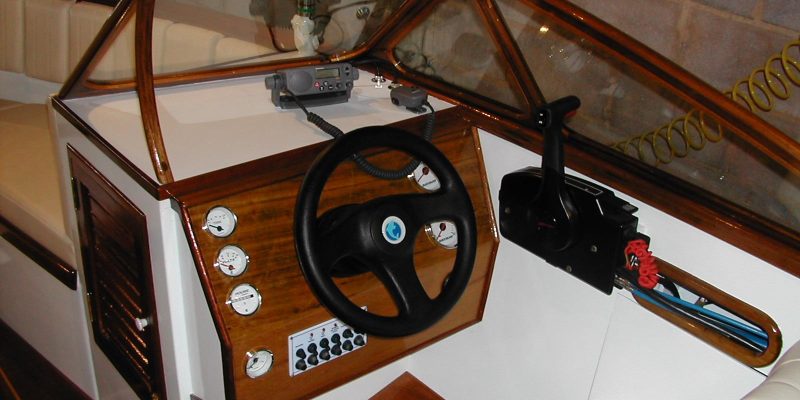
Design a layout that maximizes space and functionality. Include essential features such as seating, storage compartments, a console for navigation instruments, and safety equipment.
Construction Materials
Select durable and lightweight materials for the hull and deck, such as fiberglass, aluminum, or wood. These materials must withstand the stresses of water and weather conditions.
Engineering Calculations
Perform thorough engineering calculations to ensure the boat's structural integrity, buoyancy, and stability. Consult with a qualified marine engineer to ensure your plans meet safety standards.
Building Your Powerboat
With your meticulously crafted powerboat plans in hand, it's time to bring your dream to life. The construction process involves various steps:
Hull Construction
Construct the hull using your chosen materials, carefully following the plans to ensure the correct shape and dimensions.
Deck Construction
Create the deck using your chosen materials, integrating features like seating, storage compartments, and the console.
Powertrain Installation
Install the motor, transmission, and steering system according to your plans and manufacturer instructions.
Finishing Touches
Apply paint, varnish, and other finishes to protect the boat and personalize its appearance.
Testing and Enjoying Your Powerboat
Once your powerboat is built, it's essential to perform thorough testing and inspections to ensure safety and proper operation. With a well-crafted powerboat, you'll be ready for endless water adventures.
By following these steps, you can create a compact and practical powerboat that's tailored to your needs and desires. So, gather your tools, unleash your creativity, and embark on an exciting journey to build your own watercraft. Remember, the thrill of the water awaits, and with the right powerboat, you'll be ready to conquer any adventure.
Note: Only a member of this blog may post a comment.