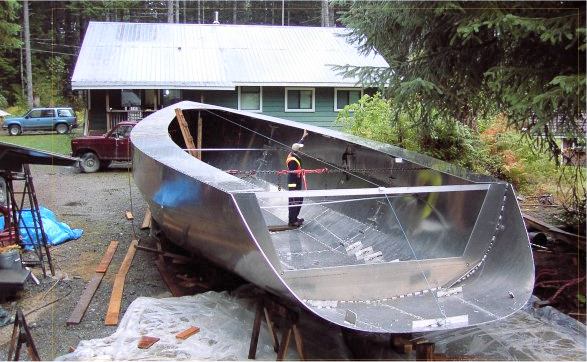
Beyond the Rivets: Unveiling Hidden Gems in Aluminum Boat Construction
Building your own aluminum boat is a challenging yet rewarding endeavor. While numerous guides exist, detailing the nuts and bolts (quite literally!), many overlook the nuanced aspects that truly separate a good boat from a great one. This review of a hypothetical "Step-by-Step Guide to Building Your Own Aluminum Boat" focuses on these often-missed details, exploring them through questions and answers, and real-world anecdotes.
The Unsung Heroes of Aluminum Boat Building: Beyond the Manual
Q: The guide covers riveting techniques. But what about minimizing distortion during the process? This is rarely addressed!
A: Distortion is the silent killer of a beautiful aluminum hull. The guide might mention clamping, but it likely undersells the importance of precise, staged riveting. Think of it like building a brick wall â€" you wouldn’t lay every brick at once! Instead, work in sections, carefully riveting and then reassessing the hull's shape before proceeding. Consider investing in a digital angle finder to ensure consistent angles throughout the construction process. Advanced techniques like using strategically placed backing blocks to distribute the rivet pressure are also worth exploring. This reduces localized stress points and minimizes unwanted flexing or bulging.
Q: Material Selection: It's more than just 5052 H32, right?
A: Absolutely! While 5052 H32 is a common choice, the guide should delve deeper into the subtle differences in temper and alloy. Consider the intended use. For a fishing boat exposed to saltwater, marine-grade aluminum with enhanced corrosion resistance is essential. For a lighter-weight kayak, a different alloy with a higher strength-to-weight ratio might be preferable. Researching the latest alloys and their properties â€" referencing publications from organizations like the Aluminum Association â€" is crucial for informed decision-making. Remember, the "best" aluminum depends entirely on the boat’s specific design and purpose.
Real-World Lessons: Tales from the Build
A friend, an experienced woodworker venturing into aluminum boat building, shared a frustrating experience. His guide lacked sufficient detail on seam sealing. He ended up with leaks, requiring significant rework. This highlights the need for detailed explanations of sealant selection, application techniques (like the crucial importance of proper surface preparation), and even the potential for long-term sealant degradation due to UV exposure. A proactive approach to sealing, going above and beyond the basic instructions, is paramount.
Beyond the Boat: Thinking Holistically
Q: The guide focuses on building. What about sustainability and responsible disposal?
A: A truly comprehensive guide should address the environmental impact of aluminum boat building. This includes sourcing responsibly produced aluminum, minimizing waste during construction (through careful planning and material optimization), and outlining safe and environmentally friendly disposal methods at the end of the boat's lifespan. This is a growing concern in the industry, and ignoring it leaves a significant gap in any complete guide. Educational institutions should emphasize this aspect, fostering a sense of environmental stewardship in future boat builders.
Q: Can we improve the aesthetics of an aluminum boat beyond the standard functional design?
A: Yes! Many overlook the aesthetic potential of aluminum. Beyond simply smoothing welds and applying paint, explore advanced finishing techniques. Anodizing offers durable color options and protection against corrosion. Adding custom-designed features, such as laser-cut decorative elements or even integrating wood accents, can elevate the boat’s visual appeal. This aspect is particularly relevant for hobbyists seeking a personalized touch and for woodworking craftsmen wishing to integrate their skills.
In conclusion, while a step-by-step guide provides a valuable foundation, true mastery of aluminum boat building lies in understanding the nuances and exploring unconventional solutions. By addressing these often-overlooked aspects, we can move beyond simply constructing a boat and instead, craft a truly exceptional vessel â€" one that reflects both skill and ingenuity.
Note: Only a member of this blog may post a comment.