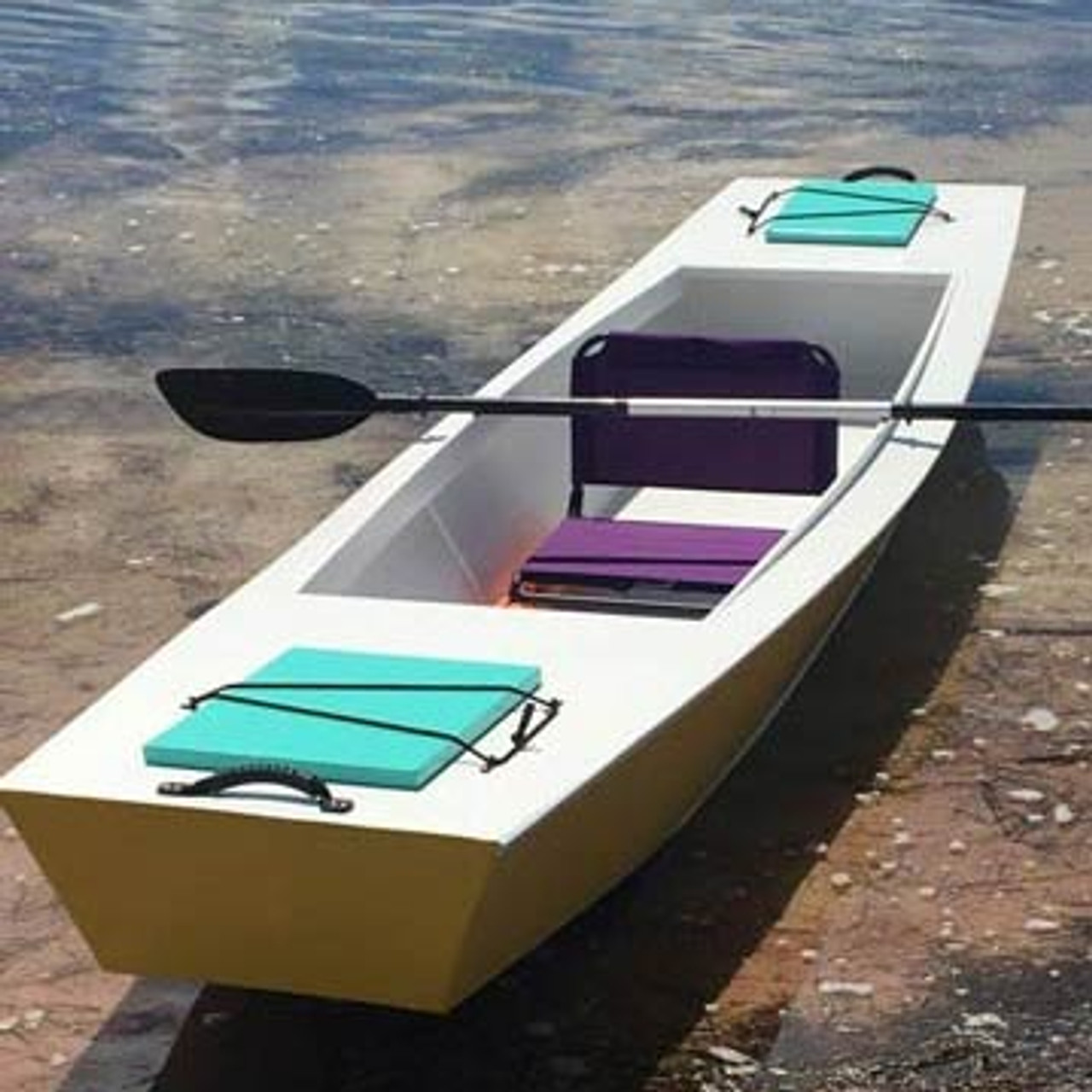
Beyond the Blueprint: Unveiling Hidden Gems in "How to Build a Duck Boat with Detailed Plans"
Building a duck boat isn't just about following instructions; it's about understanding the nuances, the 'why' behind the 'how'. While "How to Build a Duck Boat with Detailed Plans" (let's assume this is a real book for the sake of this review â€" adapt the title if it’s fictional) provides the technical roadmap, this review delves into the often-overlooked aspects, offering fresh perspectives for both seasoned builders and enthusiastic novices.
Beyond the Hull: Sustainability and Material Selection â€" A Deeper Dive
Most plans focus on the construction process. But what about the materials? This book might specify plywood and fiberglass, but what about exploring sustainable alternatives? This is where our critical thinking begins.
Q: Can we build a more eco-friendly duck boat?
A: Absolutely! Consider using reclaimed wood, bamboo (with appropriate treatments for water resistance), or even recycled plastics. Researching the environmental impact of different resins and glues is crucial. While the upfront cost might be slightly higher, the long-term environmental benefits are significant. Think of it as a 'green' boating project! Organizations like the Environmental Protection Agency (EPA) offer resources on sustainable materials in construction.
Q: How can I minimize waste during construction?
A: Precise cutting using digital tools like CNC routers, along with meticulous planning and material optimization, can dramatically reduce waste. The book likely doesn’t address these advanced techniques, so supplementary research is needed. Precise measurements and efficient cutting methods are key.
The Unsung Hero: Understanding Hydrodynamics for Optimal Performance
The book likely provides a hull design. But, how well does that design truly perform? This is where understanding hydrodynamics comes into play.
Q: Can I improve the boat's efficiency and stability?
A: Yes! While the plans provide a starting point, researching hull designs specifically optimized for shallow-water navigation and duck hunting situations is vital. Factors like the boat's length-to-beam ratio, the shape of the hull's bottom, and the placement of the center of gravity significantly impact performance. Online resources and naval architecture texts provide valuable insights into these aspects â€" going beyond what a basic construction manual might offer.
Q: How can I test and refine the design?
A: Constructing a small-scale model and testing it in a controlled environment (like a water tank) allows for iterative design refinement. This process can reveal potential flaws in the original plan and improve the boat’s overall performance. This proactive approach is rarely addressed in standard building guides but is incredibly valuable.
Beyond the Build: A Real-World Story of Innovation
Let's say a builder, inspired by "How to Build a Duck Boat," decided to incorporate a unique feature: a built-in, solar-powered charging system for electronic devices. This adds functionality and addresses the need for power in remote hunting locations. This isn't typically covered in a typical instruction manual.
This exemplifies how the book serves as a foundation, upon which creativity and innovation can flourish. It encourages readers to think critically, adapt, and improve upon the original design. This proactive and inventive approach turns a simple construction project into a rewarding journey of learning and skill development.
Conclusion: More Than Just a Blueprint
"How to Build a Duck Boat with Detailed Plans" likely offers a comprehensive guide to construction. However, its true value lies in inspiring readers to move beyond the instructions and explore the underlying principles, embrace sustainable practices, and add their unique touch to create a truly exceptional craft. This is where the real learning and satisfaction lieâ€"turning a set of plans into a testament to personal ingenuity and environmental responsibility.
Note: Only a member of this blog may post a comment.