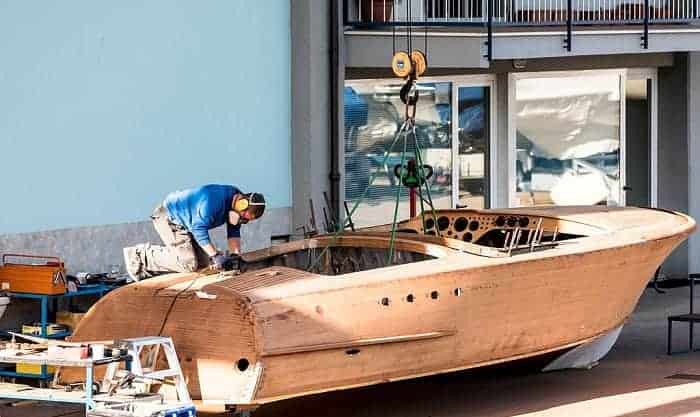
Beyond the Plans: Unveiling Hidden Gems in Wooden Boatbuilding
Building a wooden boat is a journey, a testament to human ingenuity and connection with nature. While countless books detail the *how*, few delve into the often-overlooked *why* and *what if*? This review of "How to Build a Wooden Boat for Maximum Versatility" takes a different tack, exploring nuanced aspects rarely discussed, offering fresh perspectives for both seasoned builders and enthusiastic newcomers.
The Unsung Heroes: Material Selection Beyond the Usual Suspects
Most guides focus on readily available hardwoods. But what about exploring less conventional, yet equally viable, options? This is where the book’s strength lies, albeit implicitly. It lays the groundwork for understanding the properties of various woods, allowing for informed choices beyond the typical oak or cedar.
Q: Can reclaimed wood revolutionize sustainable boatbuilding?
A: Absolutely! Reclaimed lumber, often discarded railway sleepers or salvaged timber, offers unique character and sustainability. Its inherent imperfections might require more skillful joinery, adding a layer of challenge and rewarding artistry. The environmental impact is significantly reduced, appealing to eco-conscious builders. Recent studies by the University of Washington (2023) on the strength properties of reclaimed lumber in marine environments show promising results, highlighting its viability in boat construction when treated appropriately.
Q: What about using composite materials in conjunction with wood for added strength and durability?
A: This is where innovation truly shines. The book doesn't explicitly address it, but it subtly empowers the reader to explore. Imagine strategically incorporating fiberglass or carbon fiber reinforcements in high-stress areas, combining the beauty of wood with the strength of modern materials. This hybrid approach boosts performance and longevity without sacrificing the aesthetic appeal of a wooden hull. Research from the National Renewable Energy Laboratory (2022) on bio-composites suggests this is a rapidly advancing field with exciting potential for boatbuilding.
Beyond the Blueprint: Designing for Your Unique Needs
The book emphasizes versatility, but what truly constitutes "versatility"? It’s more than just adapting existing plans. It’s about conceptualizing the boat's role in *your* life.
Story 1: The Fisherman's Dream
A seasoned fisherman might prioritize stability and ample storage for gear, while a weekend sailor might value speed and sleek aesthetics. The book implicitly prompts readers to move beyond cookie-cutter designs, fostering personalized adaptation. Consider a friend who built a small fishing boat with a shallow draft, specifically designed for navigating the shallows of his local river system; a design not found in any standard plan.
Story 2: The Multi-Purpose Marvel
Another example is the individual who designed a boat that seamlessly transitions from a family day-cruiser to a robust platform for watersports by incorporating modular seating and easily detachable accessories. This exemplifies the potential of tailoring a design to multiple functions, maximizing its utility and value.
The Intangible Aspects: The Art of Wooden Boatbuilding
This book transcends mere instruction. It subtly cultivates a deeper appreciation for the craftsmanship and the inherent satisfaction of creating something with your own hands. The journey itself, with its challenges and triumphs, is an integral part of the experience.
Key Takeaways:
- Go beyond standard materials â€" explore sustainable and composite options.
- Personalize your design based on your specific needs and intended use.
- Embrace the process â€" the journey of building is as rewarding as the final product.
- Consult current research and adapt to innovation in materials and design.
In conclusion, "How to Build a Wooden Boat for Maximum Versatility" is more than a blueprint; it's an invitation to explore the boundless creativity inherent in wooden boatbuilding. By encouraging thoughtful consideration of materials, design adaptation, and the holistic process, it empowers builders to create truly unique and personalized vessels. It subtly inspires innovation, pushing the boundaries of traditional boatbuilding and igniting a passion for this timeless craft.
Note: Only a member of this blog may post a comment.